
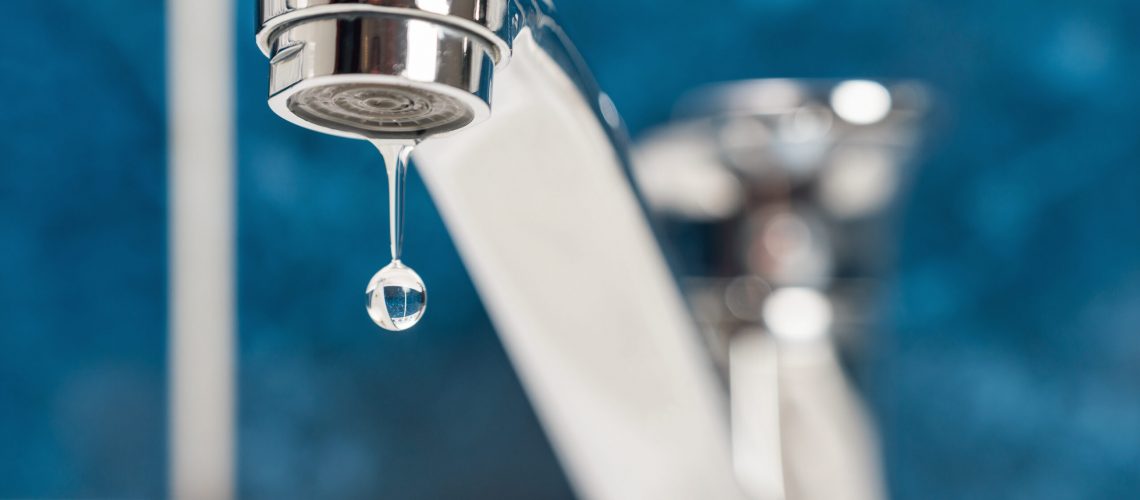
A leaky faucet might seem like a minor annoyance, but over time, those constant drips can add up—to wasted water, higher utility bills, and potential plumbing damage. Whether you’re hearing a steady drip at night or noticing water pooling around the base of your sink, understanding the root cause is the first step toward a fix. Fortunately, most faucet issues are relatively easy to diagnose—and in some cases, repair yourself.
However, for homeowners who prefer peace of mind and lasting results, calling in the pros for leaky faucet repair in Hilton Head is often the smartest route. In this blog post, we’ll break down the five most common reasons your faucet is leaking, how to troubleshoot the issue, and when to contact a professional for help.
Why Is My Faucet Leaking?
Faucets have several moving parts that are constantly exposed to pressure, temperature changes, and mineral deposits from hard water. Over time, these components wear down or fail, leading to leaks. Let’s look at the five most likely causes.
1. Worn-Out Washer or O-Ring
This is the most common culprit behind a leaking faucet—especially if the leak occurs around the spout when the faucet is off.
What’s Happening?
Inside your faucet is a small rubber washer or O-ring that forms a seal to stop water flow when the handle is turned off. With daily use, these rubber parts wear out, become brittle, or even break apart.
How to Fix It:
-
Turn off the water supply.
-
Disassemble the faucet handle and spout.
-
Locate and replace the damaged washer or O-ring with a matching size.
-
Reassemble and test for leaks.
Tip: If you’re not confident in taking your faucet apart, it’s best to contact a plumbing expert to avoid damaging threads or misaligning internal parts.
2. Corroded Valve Seat
The valve seat connects the faucet to the spout and helps regulate water flow. Over time, sediment and minerals in the water can cause the valve seat to corrode, leading to leaks at the base of the spout.
What’s Happening?
When corrosion builds up on the valve seat, it can prevent the faucet from sealing properly, even if the washers are in good condition.
How to Fix It:
-
Inspect the valve seat during faucet disassembly.
-
Use a valve seat wrench or seat grinder to clean or resurface the seat.
-
If corrosion is too extensive, replacing the valve seat is the best option.
For stubborn valve seat issues, a licensed plumber can use specialized tools to replace or recondition the part without damaging surrounding components.
3. Loose or Damaged Parts
If your faucet handle feels wobbly or if water is leaking from the base, a loose packing nut or worn gasket could be to blame.
What’s Happening?
Packing nuts and adjusting rings hold internal parts together. Over time, they may loosen due to repeated use, causing internal components to shift or leak.
How to Fix It:
-
Tighten the packing nut with a wrench.
-
If the leak continues, disassemble the faucet to inspect gaskets and seals.
-
Replace any cracked or deteriorated parts.
This type of repair can often be done by homeowners with basic tools. However, if the leak persists, it may indicate a deeper issue with internal connections, which may require the help of a leaky faucet repair company in Hilton Head.
4. High Water Pressure
While strong water pressure might seem like a good thing, it can actually damage plumbing fixtures over time—faucets included.
What’s Happening?
If water pressure is too high, it can force water through even the tiniest gaps in seals and gaskets. This often leads to intermittent leaks, especially at night when demand on the municipal system is lower.
How to Fix It:
-
Test your water pressure using a pressure gauge.
-
Normal residential water pressure should range between 40–60 psi.
-
If it exceeds 80 psi, you may need a pressure-reducing valve (PRV) installed on your main line.
For homes on Hilton Head Island, dealing with water pressure variations can be tricky—especially in older plumbing systems. That’s when calling for professional leaking faucet repair on Hilton Head Island is the best option to protect your plumbing system long term.
5. Improper Installation or Poor-Quality Fixtures
Sometimes, the problem starts at installation. If your faucet wasn’t properly installed or is made from subpar materials, it may be more prone to leaks and malfunctions.
What’s Happening?
-
Connections may not be tightened to the correct specifications.
-
Inferior fixtures may have weak seals or non-durable components.
-
Even a new faucet can leak if parts are misaligned or over-tightened.
How to Fix It:
-
Double-check the manufacturer’s installation guide if you’re DIYing.
-
If a new faucet leaks immediately, consider replacing it with a higher-quality model.
-
Hire a pro to reinstall the fixture properly if you’re unsure about the original installation.
Choosing high-quality fixtures and working with experienced plumbers can prevent these problems from happening in the first place.
When to Call a Professional
Some homeowners feel comfortable performing minor faucet repairs themselves. But if you encounter any of the following situations, it’s time to bring in the pros:
-
The leak continues after replacing washers or O-rings
-
You see signs of corrosion or mineral buildup
-
The faucet is stuck or extremely difficult to disassemble
-
Water is leaking underneath the sink or into cabinetry
-
You’re unsure of the faucet’s make/model or how to access internal parts
A trusted leaky faucet repair company in Hilton Head will quickly diagnose the issue, provide high-quality repairs, and ensure your plumbing is protected from further damage.
Preventing Future Faucet Leaks
Here are a few simple tips to extend the life of your faucet and prevent leaks:
-
Don’t overtighten handles—this puts stress on internal parts.
-
Clean faucet aerators regularly to remove sediment buildup.
-
Have your plumbing inspected annually to catch issues early.
-
Use water softeners or filtration systems if you have hard water.
-
Choose reputable faucet brands and have them professionally installed.
Conclusion
A leaking faucet might seem like a small issue, but it can waste hundreds of gallons of water each year and signal larger plumbing problems. Whether it’s a worn washer, high water pressure, or poor installation, diagnosing the root cause early is key to a long-lasting fix.
Not sure what’s causing the drip? Let the experts help. At Palmetto Repairs & Remodeling, we provide fast and professional leaky faucet repair in Hilton Head with solutions tailored to your home and plumbing system.
Give us a call at (843) 755-6543 or fill out our online form to schedule a faucet inspection or repair today. Let’s stop the drip—for good.