
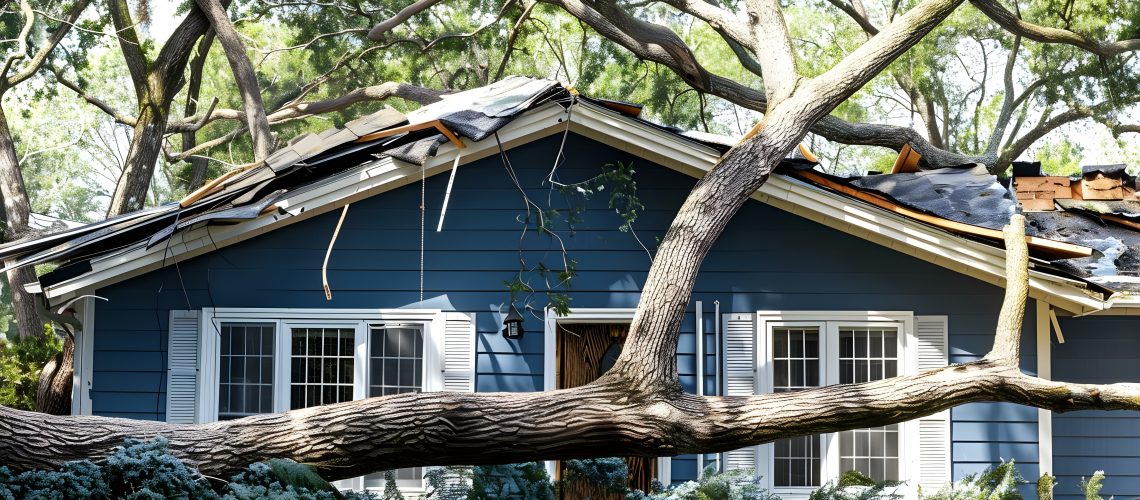
Living in Hilton Head offers beautiful coastal views, mild winters, and a laid-back Lowcountry lifestyle—but it also means being prepared for the occasional hurricane or tropical storm. When high winds, torrential rain, or flying debris strike, your property can suffer everything from minor cosmetic damage to serious structural issues. Getting started on storm damage home repair in Hilton Head as soon as possible is key to restoring your property and preventing further problems.
In this post, we’ll walk you through the process of assessing damage, documenting the issue for insurance, choosing the right contractor, and getting your home back to its pre-storm condition—safely and efficiently.
First Things First: Safety Comes First
Before you begin any repairs, ensure that you and your family are safe. After a major storm, the environment around your home can present several hazards:
-
Downed power lines
-
Flooded areas with hidden debris or electrical risks
-
Unstable roof structures or walls
-
Broken glass or exposed nails
If there’s any question about your home’s safety, wait for emergency services or utility crews to secure the area. Do not enter areas with standing water or suspected structural damage until cleared by professionals.
Step 1: Inspect and Document the Damage
Once the storm has passed and it’s safe to do so, conduct a visual inspection of your property. Make note of all visible damage and take photos and videos to use when filing an insurance claim.
Common areas to check:
-
Roof: Missing shingles, punctures, exposed underlayment, or sagging
-
Windows and Doors: Cracks, broken glass, or broken seals
-
Siding and Exterior: Dents, cracks, or wind-blown debris
-
Gutters and Downspouts: Detached, bent, or clogged systems
-
Interior: Leaks in ceilings, water stains on walls, or damp insulation
-
Yard and Trees: Uprooted trees, damaged fencing, or collapsed sheds
Keep a record of everything—even minor issues—as damage can worsen over time if left unaddressed.
Step 2: Contact Your Insurance Provider
Once you’ve documented the damage, contact your homeowner’s insurance company to begin the claims process. The sooner you report the incident, the faster you can get financial support for necessary repairs.
Tips for working with insurance:
-
Provide photo and video evidence of all damage
-
Keep a detailed list of damaged items and structures
-
Save receipts for any emergency repairs or materials
-
Don’t throw away damaged items until the adjuster has seen them
-
Ask your adjuster about coverage for temporary housing, if needed
If the damage is extensive, your insurer will likely send an adjuster to assess the situation in person before approving your claim.
Step 3: Make Temporary Repairs to Prevent Further Damage
While you wait for your claim to process, it’s important to prevent additional damage to your home.
Temporary fixes may include:
-
Tarping a damaged roof
-
Boarding up broken windows
-
Removing fallen branches or debris from the structure
-
Drying out wet areas with fans or dehumidifiers
-
Shutting off electricity to water-damaged rooms
These temporary solutions can help minimize mold growth, interior damage, or safety risks. Be sure to keep receipts and photos for any materials or services used in the process—these may be reimbursable through your insurance.
Step 4: Choose the Right Contractor
Storm damage restoration is not your average DIY project. It requires professional expertise to assess hidden damage, follow building codes, and ensure long-lasting results. That’s why working with an experienced storm damage home repair company in Hilton Head is essential.
Look for a contractor who:
-
Is licensed and insured in South Carolina
-
Has experience with storm damage restoration
-
Understands insurance claim processes
-
Offers comprehensive repair services (roofing, siding, drywall, electrical, etc.)
-
Has strong local references and reviews
-
Provides a detailed written estimate
Beware of “storm chasers”—out-of-town contractors who swoop in after major weather events offering quick fixes at low prices. These companies often disappear before warranty issues arise or jobs are properly finished.
Step 5: Begin Full Storm Damage Restoration
Once your insurance claim is approved and you’ve selected a trusted contractor, the restoration process can begin. A reputable contractor will perform a thorough inspection of your home, identifying both visible and hidden damage.
A complete restoration plan may include:
-
Roof Replacement or Repair: Fixing structural damage, re-shingling, or replacing roofing materials
-
Window and Door Repair: Replacing broken glass, frames, or seals
-
Siding Repair: Replacing cracked or detached panels and repainting if necessary
-
Interior Restoration: Replacing drywall, flooring, and insulation; treating for mold if water damage occurred
-
Gutter and Drainage System Repairs: Ensuring water is properly diverted away from your home
-
Electrical and HVAC Checks: Making sure your systems are safe and fully operational
Quality contractors will manage timelines, coordinate trades, and communicate with your insurance provider to ensure a smooth and stress-free process.
Step 6: Prepare for the Future
Once your home is restored, it’s a good time to think about preventing future storm damage. Hilton Head’s coastal location makes it important to plan ahead before the next storm season hits.
Smart preventive upgrades may include:
-
Installing impact-resistant windows and storm shutters
-
Upgrading to a fortified roofing system
-
Securing outdoor furniture and fixtures
-
Adding surge protection to your electrical system
-
Improving gutter systems and yard drainage
-
Trimming or removing vulnerable trees and branches
Investing in preventive maintenance not only protects your property but can also reduce your insurance premiums.
Why Local Matters
Working with a local contractor who understands the specific challenges of storm damage home restoration on Hilton Head Island gives you a major advantage. Local experts are familiar with:
-
Regional building codes and permitting processes
-
The effects of salt air, humidity, and hurricanes
-
Local suppliers for faster material sourcing
-
Ongoing service and support if future issues arise
At Palmetto Repairs & Remodeling, we take pride in serving our Hilton Head neighbors with reliable, high-quality storm damage restoration services—backed by years of local experience.
Conclusion
Storm damage is stressful, but getting your home back to normal doesn’t have to be. By taking quick action, documenting everything, and working with an experienced storm damage home repair company in Hilton Head, you can restore your home efficiently and with confidence.
Has your Hilton Head home been damaged in a recent storm? Don’t wait to start repairs—call Palmetto Repairs & Remodeling at (843) 755-6543 or fill out our online form today to schedule your inspection and restoration plan. We’re here to help you rebuild, better and stronger.